Tuesday, May 22, 2012

Thursday, May 10, 2012
Physical Geography

Landforms
It has a number of Islands, the largest being Sicily and Sardinia. Italy has a coastline and border on the Adriatic, Ionian, and Tyrrhenian Seas. The Apennine Mountains form the backbone of the peninsula and the Alps form its northern boundary. The highest point in Italy is on Mount Blanc which is a 15,782 feet. The Po River is Italy’s largest and is 402 miles. It has 5 major lakes that are the Garda, Como, Maggiore, Bolsena, and Trasimeno. There are fourteen volcanoes and three of which are active Etna, Vesuvius, and Stromboli.Wednesday, May 9, 2012
Climates
 The West coast of italy is usually moist and wet rather than the East coast. The East coast is occasionally affected by cold bora winds. The coldest month is January and the temperature is usually 30-32 degrees Fahrenheit. On the eastern hillside of the Appenines, people can be affected by the blizzards that occur. Summer climates are usually similar between the North and the South. In July, the temperatures are usually between 70 and 80 degrees Fahrenheit. Typically during the summer, alot of thunderstorms occur during the night. In the south, the provinces have experienced high temperatures up to 114 degrees Fahrenheit.
The climate is highly diverse and could be quite different than the normal Mediterranean climate. The inland northern climates Humid-Subtropical and in the coastal areas the climate is usually Mediterranean. Between the North and South there is a considerable difference in climate. For example in Milan during the winter it could be snowing at 28 degrees Fahrenheit, meanwhile in Rome it would not be snowing and it would be 46 degrees Fahrenheit, and in Palermo it would be 68 degrees Fahrenheit. Basically when the latitudes decreased the climate gets warmer.

Tuesday, May 8, 2012
Ecosystems
 Italy has many 3 main ecosystems. The ecosystems are Chaparral, Mixed Forest, and Woodland and Shrubs. Chaparral is near the south of the peninsula. It is a shrubland or heathland plant community found primarily in the U.S. state of California. It is shaped by a Mediterranean climate, mild and wet winters, and hot dry summers. The mixed forest is in the center of Italy. It contains coniferous and deciduous forests. A coniferous forest is a terrestrial biome found in temperate regions of the world with warm summers and cool winters and sufficient rainfall to sustain a forest. Deciduous forests are dominated by trees that lose their leaves each year. They are found in areas where warm moist summers alternate with mild winters. The woodlands and shrubs are found throughout. They have a low-density forest forming open habitats with plenty of sunlight and limited shade. Woodlands may support shrubs and plants including grasses. Woodland may form a transitions to shrubland under drier conditions or during early stages of primary or secondary succession.
 Monday, May 7, 2012
Natural Resources
 Although Italy imports more than 80 percent of the energy resources and raw materials needed for its manufacturing needs, it does have its own natural resources, including deposits of pumice, feldspar, and marble. Italy also has some natural gas reserves, located in the Po Valley and in the Adriatic. U.S. Department of State says Italy's economic strength is in the processing and the manufacturing of goods, primarily in small/medium-sized family-owned firms.
Sunday, May 6, 2012
 Human Environment Interactions
Even though Cosenza is in a mountainous part of Italy, a lot of crops are grown near Cosenza. So agriculture is one way in which people from Cosenza interact with their environment. Italy is also surrounded by the sea and has many coastal areas so they eat lots of seafood. They have volcanoes nearby that help process the soil and make it rich, so it is good for growing food, but also dangerous possibly.

Saturday, May 5, 2012
Human Geography
Political Boundary

Friday, May 4, 2012
Culture

Thursday, May 3, 2012
Demographics
Italy has 60,626,442 inhabitants and is growing at a rate of 0.42% over the last year. It has a death 3.38 deaths/1,000 live births and a literacy rate of 98.4% and a overall life expectancy rate at 81.77 years.
 It is currently going through a phase where the older population is becoming larger then what can be supported which has led to the Italian Government cutting retirement policies. Italy is also 90% predominantly Roman Catholic with the remaining 10% being mostly protestant. Italy's most populous city is Rome with a population of 2,761,477 inhabitants. The most populous region is Lombardy in the north of Italy with a population of 9.9 million inhabitants.
Italy has 60,626,442 inhabitants and is growing at a rate of 0.42% over the last year. It has a death 3.38 deaths/1,000 live births and a literacy rate of 98.4% and a overall life expectancy rate at 81.77 years.

Wednesday, May 2, 2012
Government System

Tuesday, May 1, 2012
Economic Activities and Current or Future Issues

-Italy has a wide verity of economic activities. Italy has a large tourism industry as well as a large automotive and clothing industries. Italy also has a large agricultural industry that supplies almost all of the country's food. This self reliance has helped to keep Italy's economy afloat instead of tanking as much as Greece. These four industries have helped to keep this country up to date with the developing world and will continue to in the future.

-Italy currently is going through an economic crises in which the euro is going down. Unemployment is rising and poverty is becoming an issue in some parts of Italy. A city that is a prime example of this is Naples, Italy. Naples is known for being influenced very much by the Camorra or local crime family that has corrupt the local Government. This corruption has led to deaths, famine, and overall chaotic scene for tourists that have to pass through to get to the near by Capri or Amalfi Coast. The other issue that could very soon start to have a large impact is the large elderly population in Italy. This makes it hard for the young Italians to make money because they have to support their older family members while paying up to 50% tax rates. Not to mention they would have to find a job first. These issues are a lot on Italy's plate and if not dealt with Italy will suffer drastically.
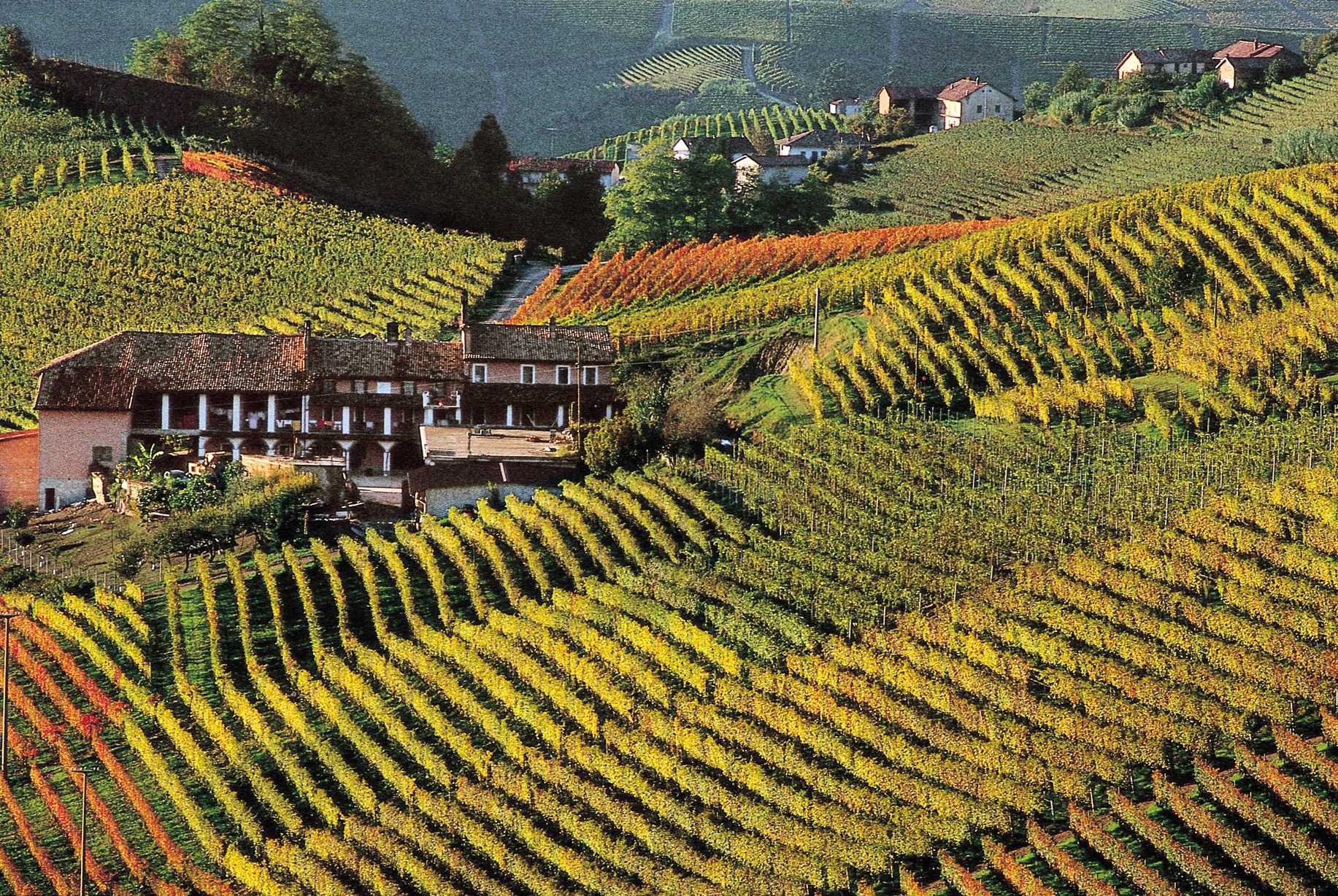
-Italy has a wide verity of economic activities. Italy has a large tourism industry as well as a large automotive and clothing industries. Italy also has a large agricultural industry that supplies almost all of the country's food. This self reliance has helped to keep Italy's economy afloat instead of tanking as much as Greece. These four industries have helped to keep this country up to date with the developing world and will continue to in the future.

-Italy currently is going through an economic crises in which the euro is going down. Unemployment is rising and poverty is becoming an issue in some parts of Italy. A city that is a prime example of this is Naples, Italy. Naples is known for being influenced very much by the Camorra or local crime family that has corrupt the local Government. This corruption has led to deaths, famine, and overall chaotic scene for tourists that have to pass through to get to the near by Capri or Amalfi Coast. The other issue that could very soon start to have a large impact is the large elderly population in Italy. This makes it hard for the young Italians to make money because they have to support their older family members while paying up to 50% tax rates. Not to mention they would have to find a job first. These issues are a lot on Italy's plate and if not dealt with Italy will suffer drastically.
Subscribe to:
Posts (Atom)